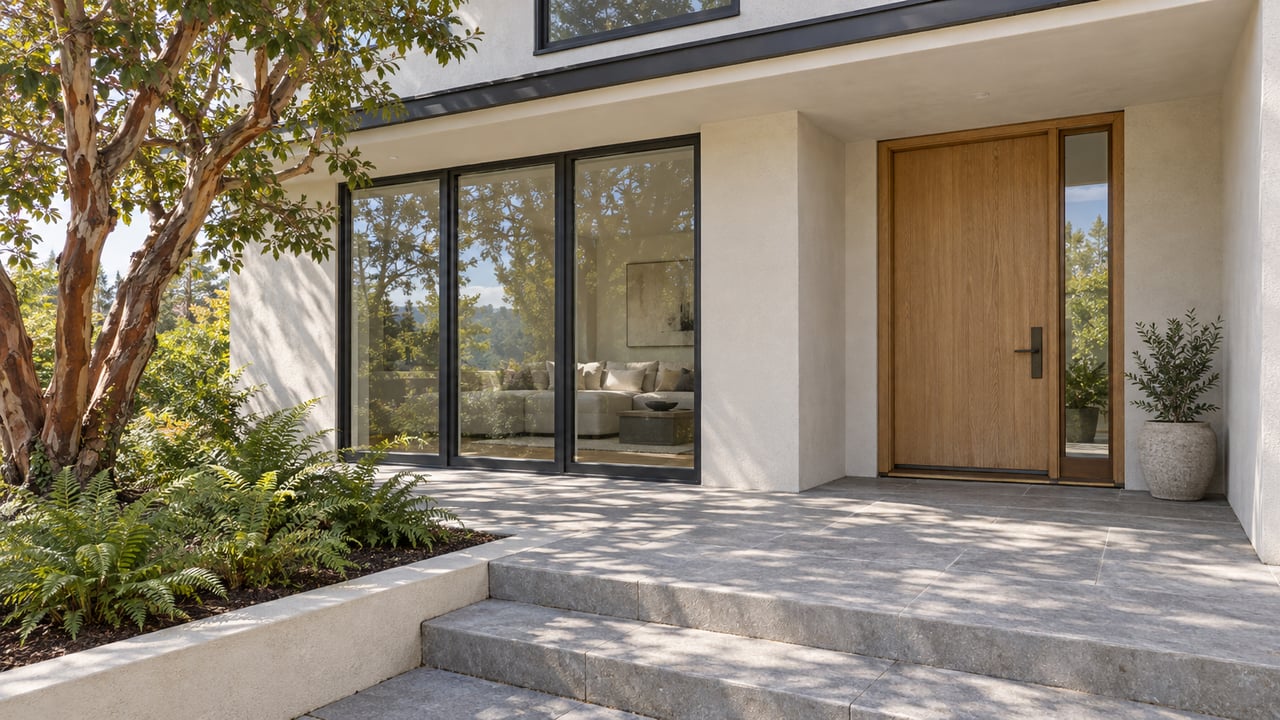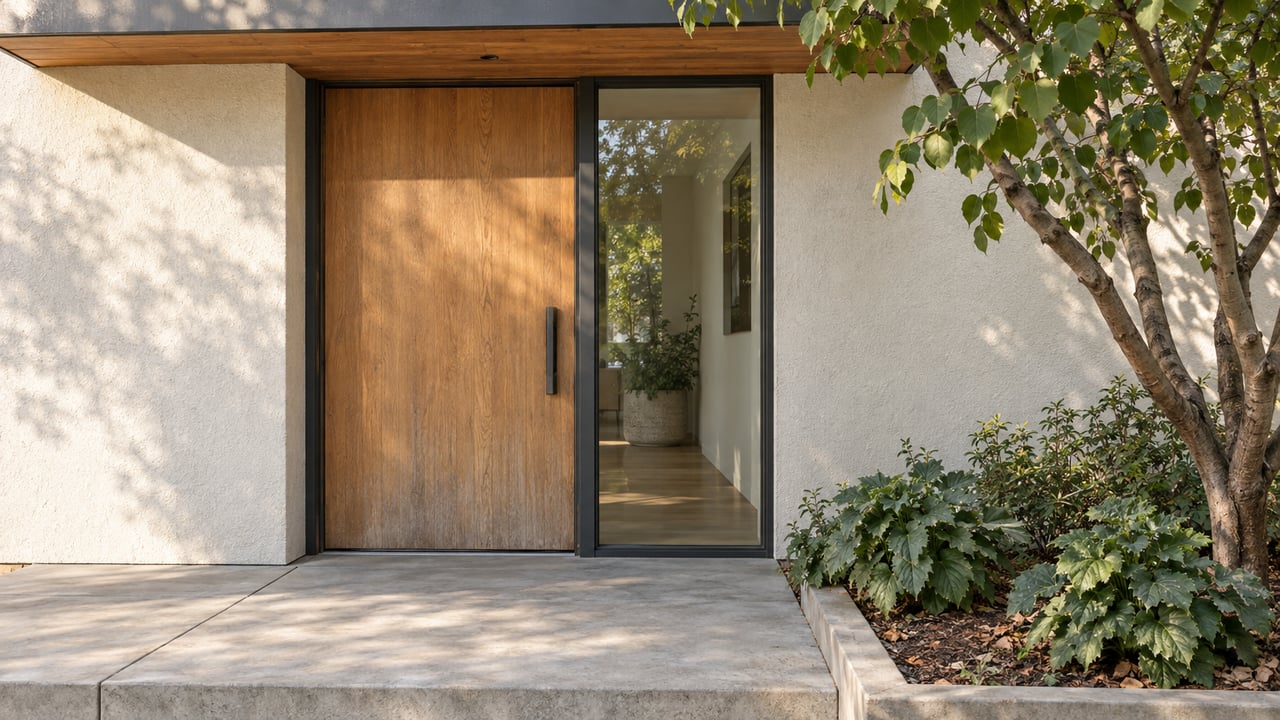
Most buyers do not find the right home. The right home finds them, once they have done the work of knowing what they are really looking for.
That distinction matters. A search driven by filters and price ranges will surface a great many houses. A search driven by clarity of vision will eventually surface the right one. The difference between these two outcomes almost always comes down to intention.
Read on or click our interactive storybook below for more information.
Where the Search Really Begins
For years, the home search began with a map. Buyers picked a city, set a price range, and scrolled through results. The process was efficient, in the way that choosing a dinner by calorie count is efficient.
The better question is not what a home has. It is what kind of life it will support. Before opening a listings platform, the most useful thing a buyer can do is sit with some quieter questions: How do I want to spend my mornings? What does my daily rhythm look like? What do I need close by, and what can I live without?
These are not abstract exercises. They become the real search criteria.
The search does not begin with a listing. It begins with a clear picture of the life you are trying to build.
Starting With a Feeling
Most people start, if they are honest, with a feeling. A morning walk to a local cafe. Tree-lined streets and the sound of quiet. A backyard that earns its square footage. These are not frivolous starting points. They are useful ones.
A feeling, properly examined, becomes a direction. And a direction is far more useful than a list of features that may or may not exist in any single property.
Asking the Right Questions
Once buyers know the kind of life they are trying to build, the next task is finding where that life might actually be possible. Which neighborhoods are genuinely walkable? Where can you live near nature without surrendering a reasonable commute? Which communities have the schools, the pace, the feel you are imagining?
Some buyers dive into search engines and local forums. Others turn to their agent, who knows the neighborhoods not just on paper but in practice. Both approaches have merit. The agent, however, tends to save a considerable amount of time.
Turning a Vision Into Search Criteria
At some point, the vision has to become something searchable. A buyer who wants to be near parks and good schools within a specific budget is already further along than one who simply wants something nice.
Real estate platforms have grown more sophisticated in interpreting these requests. A knowledgeable agent can take them further still, matching the shape of a buyer's life to the inventory that actually exists. The criteria will adjust along the way. That is normal, and part of the process.
Understanding What You Are Looking At
Listings are full of information. Not all of it is obvious. A price that seems reasonable may not be, given what has sold nearby. A house that has sat on the market for six weeks is telling you something. An intentional buyer learns to read these signals.
Days on market, pricing trends, recent comparable sales: these are not just numbers for the analytically inclined. They are context. They help a buyer judge whether a price is competitive, how much room may exist for negotiation, and how a home's value might hold over time. An agent will help translate what the numbers mean in a specific market at a specific moment.
Comparing Places With Honest Eyes
The gap between two neighborhoods that look similar on paper can be significant in practice. Commute times, school quality, street life, access to green space: these small differences accumulate into something that shapes daily life for years.
Intentional buyers spend time on these comparisons. Not endlessly, but enough to make a genuinely informed choice. The question is not simply where they could live. It is which place will support the life they are actually trying to create.
Preparing to Walk Through a Door
A showing is not just a tour. It is an evaluation. Buyers who arrive with a framework, a few specific things to notice, a question or two for the listing agent, and a sense of what would give them pause, will leave with better information than those who wander pleasantly through and form an impression.
A good agent will help buyers prepare. What to examine. What to ask. What to look past and what to take seriously. Arriving ready is a small investment with a reliable return.
Read on or click our interactive storybook below.
Making Sense of the Process
Buying a home involves a sequence of steps that can feel opaque the first time through. Offers, contingencies, inspections, mortgage approvals, closing timelines: each stage has its own logic, its own vocabulary, its own potential complications.
Intentional buyers do not wait until they are in the middle of it to start learning. They ask questions early. They understand what happens after an offer is accepted and what protection an inspection contingency actually provides. Knowledge, in this context, is not just reassuring. It is practical.
Preparation does not eliminate uncertainty. It simply ensures that when the right home appears, the buyer is ready to move.
Knowing When You Have Found It
At some point in a well-conducted search, the question shifts. It is no longer about exploring what exists. It is about recognizing what fits.
The right home rarely satisfies every item on a list. What it does is align with what mattered most at the beginning: the location, the pace, the sense that a particular life could unfold there. Intentional buyers look at both the practical details and the feeling a home creates. When a property makes sense on paper and feels right the moment you step through the door, the decision has a way of becoming clear.
Taking the Next Step With Confidence
Making an offer opens a new stage. Negotiation, inspections, financing, closing. For buyers who have done the work, this stage is demanding but not disorienting. They know what they want. They understand the process. They have someone beside them who understands the market.
That combination, clarity of purpose and competent guidance, is what allows a buyer to move forward without second-guessing every step.
A Smarter Starting Point
Finding the right home rarely happens by accident. It is the result of a process: imagining the life you want to build, exploring communities honestly, asking questions, and learning enough about the market to judge what you are seeing.
But a home is more than a set of features or a set of market signals. At some point the search becomes personal. When a place supports the life you have been imagining, practically and emotionally, the decision tends to come into focus on its own.
The goal, from the beginning, is not simply to find a house. It is to recognize the place where the next chapter can begin. Interested in taking the next step, trust Mary Muprhy and her team of skilled agents to help you take it!
Mary Murphy
650-773-4999
[email protected] | REALTOR® | DRE# 00675838